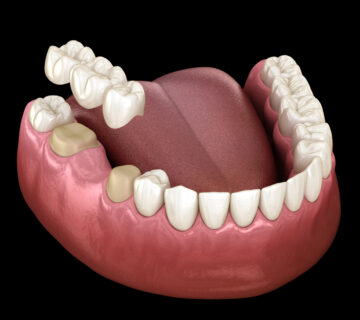
Most dental care focuses on keeping natural teeth healthy for as long as possible. However, there are times when a tooth is too damaged, infected, or compromised to remain in the mouth comfortably and predictably. When that happens, tooth extractions in Edmond, OK may become an important step toward relieving the problem and creating a healthier foundation for future dental care.
Hearing that a tooth may need to be removed can naturally raise questions. You may wonder whether extraction is really necessary, what the procedure feels like, how long recovery takes, and whether the missing tooth will eventually need to be replaced. Understanding the process can make it easier to discuss your options with your dentist and make an informed decision about your oral health.
Why Would a Dentist Recommend a Tooth Extraction?
Dentists generally prefer to preserve natural teeth whenever doing so is predictable and healthy. Therefore, extraction is usually considered when keeping a tooth would create continuing problems or when the tooth cannot be restored effectively.
Severe decay is one possible reason. When a cavity progresses deeply enough, a large amount of healthy tooth structure may be lost. If there is not enough stable tooth remaining to support a filling, crown, or another restoration, removing the tooth may be considered.
A serious fracture can create a similar situation. Some broken teeth can be repaired, while others may have cracks that extend too far beneath the gum line or into the root. In those cases, keeping the tooth may not provide a predictable long-term result.
Infection can also influence the decision. Some infected teeth can be treated with root canal therapy. However, if a tooth cannot be restored after the infection is addressed, extraction may be the more appropriate treatment.
What Are Common Reasons for Tooth Removal?
Every extraction recommendation is based on the individual tooth and the patient’s overall oral health. Nevertheless, several situations commonly lead dentists to discuss tooth removal.
- Extensive tooth decay that has destroyed too much healthy structure
- A severe crack or fracture that cannot be predictably repaired
- Advanced infection in a tooth that cannot be restored
- Significant damage caused by an accident or dental injury
- Advanced periodontal problems affecting the support around a tooth
- A tooth that is causing repeated pain or infection and has a poor prognosis
- Teeth that need removal as part of a broader restorative treatment plan
- Other situations in which retaining the tooth would interfere with oral health
Importantly, having one of these problems does not automatically mean extraction is required. Your dentist needs to examine the tooth, review appropriate dental images, and consider whether another treatment could preserve it.
Can a Painful Tooth Be Saved Instead?
Sometimes. Pain tells you that something deserves attention, but it does not tell you which treatment will be necessary. A painful tooth may need a filling, crown, root canal, periodontal treatment, or another form of care rather than extraction.
For example, infection inside a tooth may sometimes be treated with root canal treatment. During this procedure, the affected tissue inside the tooth is removed and the internal space is cleaned and sealed. If enough healthy tooth structure remains, the tooth may then be restored.
However, root canal treatment cannot repair every severely damaged tooth. If a fracture extends too deeply or too little healthy structure remains, saving the tooth may not be realistic.
Therefore, the decision should be based on the condition of the individual tooth rather than the assumption that every toothache requires removal.
What Happens Before a Tooth Extraction?
Before an extraction, your dentist will examine the tooth and surrounding tissues. Dental X-rays or other imaging may be used to understand the shape and position of the tooth roots, nearby structures, and the amount of supporting bone.
Your health history is also important. Tell your dentist about medications, supplements, allergies, medical conditions, and previous reactions to dental treatment. This information can affect treatment planning and aftercare recommendations.
Your dentist should also explain why the extraction is being recommended and whether replacement of the tooth may be appropriate afterward. Asking these questions before treatment allows you to understand how tooth removal fits into the larger plan for your smile.
If you are anxious about dental procedures, mention it during the planning stage. Flash Dental also provides sedation dentistry in Edmond for appropriate patients who may benefit from additional help feeling relaxed during dental treatment.
What Happens During a Tooth Extraction?
The exact procedure depends on the location and condition of the tooth. However, the treatment area is typically numbed with local anesthetic before the tooth is removed.
During a straightforward extraction, the dentist carefully loosens the tooth from the surrounding tissues and removes it from the socket. A more complicated tooth may require additional steps depending on its position, condition, or root structure.
Patients may notice pressure during an extraction even when the area is numb. Pressure and movement are different from sharp pain. If you are uncomfortable during the procedure, communicate with your dental team.
After the tooth has been removed, the dentist will evaluate the area and provide instructions for helping the extraction site heal. These instructions are an important part of treatment, so follow them carefully.
Benefits of Tooth Extractions
Removing a tooth is not usually the first treatment choice. However, when a tooth cannot be predictably restored, extraction can provide several important oral health benefits.
- Removal of a severely damaged tooth: Extraction can eliminate a tooth that no longer has enough healthy structure to function predictably.
- Management of certain infections: Removing a nonrestorable infected tooth helps address the source of the dental problem.
- Relief from persistent dental problems: A severely damaged tooth may cause repeated episodes of pain, swelling, or irritation.
- Preparation for restorative treatment: Extraction may create the necessary foundation for dentures, implants, or another tooth replacement option.
- Protection of nearby oral structures: Removing a hopeless tooth may help prevent it from continuing to interfere with neighboring teeth or tissues.
- Opportunity for planned tooth replacement: Once an unhealthy tooth is removed, patients can discuss options for restoring the resulting space.
- Individualized care: Extraction can be incorporated into a larger treatment plan based on the patient’s overall oral health.
What Is Recovery Like After a Tooth Extraction?
Healing begins immediately after the tooth is removed. A blood clot normally forms in the extraction site, and protecting that area is important during the early stages of recovery.
Your dentist will provide specific instructions based on your procedure. These may include recommendations about eating, drinking, oral hygiene, physical activity, and medications.
Some tenderness and swelling may occur after an extraction. The amount varies according to the difficulty of the procedure, the location of the tooth, and the patient’s individual healing response.
Follow the instructions you receive rather than relying only on advice from friends or online stories. Two patients may have very different experiences because their extractions and health histories are not identical.
What Should You Eat After a Tooth Extraction?
During the early recovery period, softer foods are often easier to manage. Foods that require aggressive chewing may irritate the area or make it harder to protect the healing site.
Choose foods that can be eaten comfortably and follow any dietary guidance provided by your dentist. In addition, be cautious with foods that are extremely hot, crunchy, sharp, or difficult to chew during the early phase of healing.
As the area becomes more comfortable, you can gradually return to a broader diet according to your dentist’s instructions.
Stay hydrated as well. However, follow your dental team’s instructions about drinking methods and activities that could disturb the blood clot during early healing.
Why Is the Blood Clot Important After an Extraction?
The blood clot that develops in the extraction socket helps protect the underlying bone and tissues while healing begins. Therefore, patients are generally advised to avoid behaviors that may disturb the site.
Your dentist will provide detailed instructions, which may include avoiding vigorous rinsing or other activities during the early healing period.
If the blood clot becomes disrupted and the site develops increasing pain, contact your dentist. Significant or worsening discomfort after an extraction deserves professional evaluation rather than simply waiting for it to disappear.
How Long Does It Take to Heal After Tooth Removal?
There is no single recovery timeline for every extraction. A straightforward tooth removal may feel different from a more involved procedure, and individual healing rates vary.
Generally, discomfort should gradually improve rather than become increasingly severe. The gum tissue continues healing after the first few days, while deeper bone changes occur over a longer period.
If you are planning dental implant treatment or another restoration, your dentist will explain when the extraction area may be ready for the next stage. Timing depends on the treatment plan and condition of the site.
What Symptoms Should You Call the Dentist About?
It is useful to know what is expected and what deserves follow-up attention. Your dentist will give you specific guidance, but you should generally contact the office if you have concerns about increasing pain, swelling, bleeding, fever, unusual drainage, or another unexpected change.
If you develop symptoms that affect breathing or swallowing, seek urgent medical care. Those symptoms can indicate a problem that requires immediate evaluation.
When in doubt, call the dental office. It is better to ask about a symptom than to ignore a problem that may require treatment.
Should a Missing Tooth Be Replaced After an Extraction?
Whether a tooth should be replaced depends partly on its location and function. Losing a back tooth, front tooth, or wisdom tooth can have very different treatment considerations.
When replacement is appropriate, several options may be available. Flash Dental provides dental implants in Edmond, which may be used to replace individual teeth or support larger restorations.
Dentures and bridges may also be considered depending on the number and location of missing teeth. Your dentist can explain the advantages, limitations, maintenance requirements, and treatment process for each option.
Planning for replacement before extraction can sometimes be helpful because it gives you a clearer picture of the full treatment process rather than focusing only on removing the problem tooth.
How Can You Reduce the Chance of Future Extractions?
Not every tooth extraction is preventable. Accidents, severe fractures, and unexpected dental problems can happen. However, preventive care may reduce the risk that certain problems progress until a tooth can no longer be saved.
Brush consistently, clean between your teeth, and attend routine dental examinations. In addition, treat cavities and damaged restorations before they become significantly larger.
If you experience persistent tooth pain, swelling, or sensitivity, schedule an evaluation rather than waiting for symptoms to become severe. Earlier treatment often provides more options.
Frequently Asked Questions About Tooth Extractions
Does a tooth extraction hurt?
Local anesthetic is used to numb the treatment area. Patients may notice pressure or movement during the procedure, but sharp pain should be communicated to the dental team.
How long will I be sore after a tooth extraction?
Recovery varies according to the tooth, procedure, and patient. Some tenderness is common, but discomfort should generally improve as healing progresses.
Can every badly damaged tooth be saved with a root canal?
No. Root canal treatment addresses problems inside the tooth, but a tooth still needs enough healthy structure and support to be restored predictably.
Do I need to replace every extracted tooth?
Not necessarily. Replacement depends on the location of the tooth, bite, surrounding teeth, and overall treatment goals. Your dentist can explain whether replacement is recommended.
Understand Your Options Before Removing a Tooth
Tooth removal is an important decision, and patients should understand why an extraction is recommended and what comes afterward. When a tooth cannot be predictably saved, removing it may relieve an ongoing problem and create an opportunity to restore the area with an appropriate treatment plan.
If you are experiencing a damaged or painful tooth and want to learn whether tooth extraction in Edmond, OK may be necessary, contact Flash Dental at (405) 562-5326 to Book an Appointment. Flash Dental is located at 125 E 3rd St Ste B, Edmond, OK 73034.