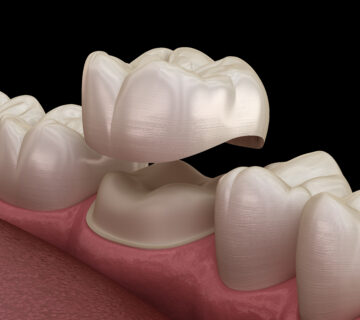
A small chip, narrow space, or uneven edge can change the way a tooth looks even when the tooth is otherwise healthy. Fortunately, improving these details does not always require an extensive dental procedure. As part of cosmetic dentistry in Edmond, OK, dental bonding may offer a conservative way to reshape or restore selected areas of a smile using tooth-colored material.
Dental bonding can be useful for several cosmetic and restorative concerns, but it is not the right solution for every tooth. The amount of damage, location of the tooth, bite forces, and your long-term goals all influence whether bonding is a good option. Understanding how the procedure works can help you decide what questions to ask during a cosmetic dentistry consultation.
What Is Dental Bonding?
Dental bonding uses a tooth-colored resin material that can be placed directly onto a tooth and shaped to improve its appearance or repair a small defect. The material is selected to blend with the surrounding tooth structure as naturally as possible.
Once the material has been shaped, it is hardened and polished. The goal is to make the bonded area look like a natural part of the tooth rather than an obvious addition.
Because dental bonding is applied directly to the tooth, it can often be completed with less alteration of natural tooth structure than some other cosmetic procedures. However, the suitability of this approach depends on what needs to be corrected.
What Problems Can Dental Bonding Address?
Dental bonding can be used for several relatively minor cosmetic concerns. For example, it may help rebuild the edge of a chipped tooth or smooth an uneven area that affects the appearance of the smile.
Bonding may also be considered for small spaces between teeth. By adding tooth-colored material to selected surfaces, the visible gap can sometimes be reduced without orthodontic treatment.
Other potential uses include improving the shape of a tooth that appears shorter or narrower than neighboring teeth, covering selected areas of discoloration, or restoring minor areas of wear.
However, larger structural problems may require a crown, veneer, orthodontic treatment, or another procedure instead. Therefore, an examination is important before assuming bonding is the best solution.
How Does Dental Bonding Work?
The bonding process begins with an evaluation of the tooth and your cosmetic goals. Your dentist will consider whether enough healthy tooth structure is present and whether the area experiences significant bite pressure.
A tooth-colored resin is selected and placed on the area being treated. The material can then be shaped to create the desired contour.
Once the shape is established, the bonding material is hardened. Finally, the restoration is refined and polished so the surface feels smoother and blends more naturally with the tooth.
The amount of time needed depends on how many teeth are being treated and the complexity of the changes being made.
Can Dental Bonding Fix a Chipped Tooth?
A small chip is one of the most common reasons patients ask about bonding. If the tooth is otherwise healthy and the damage is limited, tooth-colored resin may be used to rebuild the missing portion.
However, not every chipped tooth is merely a cosmetic problem. A larger fracture may extend deeper into the tooth or weaken the remaining structure.
Therefore, the first step is determining how extensive the damage actually is. If the fracture is significant, a crown or another restoration may provide better protection than bonding alone.
If a tooth suddenly chips because of an injury, or if it is painful or highly sensitive afterward, schedule a dental evaluation rather than assuming cosmetic bonding is all that is needed.
Can Dental Bonding Close a Gap Between Teeth?
Bonding can sometimes reduce a small space by adding material to the sides of neighboring teeth. This can create a more continuous appearance without physically moving the teeth.
However, the width of the space matters. Adding too much material can make the teeth look disproportionately wide or create areas that are difficult to clean.
For larger spaces or alignment concerns affecting multiple teeth, Invisalign clear aligners may be worth discussing. Invisalign changes the actual positions of teeth, while bonding changes their visible shape.
In some cases, the two approaches can complement one another. Orthodontic treatment may improve alignment first, followed by minor cosmetic bonding where appropriate.
Can Dental Bonding Improve Uneven Tooth Shapes?
Yes, bonding may be useful when one tooth appears slightly shorter, narrower, or differently shaped from the teeth around it. Carefully adding resin can help create more balanced proportions.
This can be especially helpful when the concern is limited to one or two teeth and the underlying teeth are otherwise healthy.
However, cosmetic dentistry should be planned with the entire smile in mind. Changing one tooth can affect how neighboring teeth look, so your dentist will consider tooth shape, alignment, color, and overall proportions before recommending treatment.
Benefits of Dental Bonding
Dental bonding can be an appealing option because it allows selected cosmetic changes to be made without necessarily requiring extensive alteration of natural teeth.
- Conservative treatment: Bonding may require less alteration of healthy tooth structure than some more involved restorations.
- Tooth-colored appearance: The resin can be selected to coordinate with surrounding natural teeth.
- Repair of small chips: Bonding can rebuild minor missing areas of tooth structure.
- Improvement of small gaps: Selected spaces may be reduced by carefully reshaping neighboring teeth with resin.
- Reshaping of uneven teeth: Bonding can help improve tooth proportions and smooth certain irregular edges.
- Versatile cosmetic application: The same material can be used for several types of minor aesthetic concerns.
- Direct treatment: Bonding is applied and shaped directly on the tooth rather than requiring a removable appliance.
How Is Bonding Different From Porcelain Veneers?
Dental bonding and porcelain veneers can both change the visible appearance of teeth, but they use different materials and treatment processes.
Bonding uses resin placed directly on the tooth. Veneers are thin restorations designed to cover the visible front surface of selected teeth.
Bonding can be useful for smaller changes, while veneers may be considered when more extensive alterations in tooth shape, color, or appearance are desired.
Durability, cost, treatment time, amount of tooth preparation, and the number of teeth involved can all influence the recommendation. Flash Dental’s cosmetic dentistry services include dental bonding along with other smile-enhancing treatments, allowing patients to discuss which approach may better fit their goals.
Does Dental Bonding Look Natural?
The goal of bonding is to create a restoration that blends naturally with the tooth. Color selection, contouring, surface texture, and polishing all influence the final appearance.
However, bonding is still a dental material. Its appearance and longevity depend partly on the size and location of the restoration and how it is cared for.
In addition, natural teeth can change color over time. Resin materials do not respond to whitening in exactly the same way as tooth enamel, so color planning may matter if you are considering professional whitening.
Should You Whiten Before Dental Bonding?
If you are planning to whiten your teeth and also receive bonding on a visible tooth, the order of treatment may matter.
Professional whitening changes the shade of natural enamel, while existing bonding generally does not lighten in the same way. Therefore, your dentist may recommend whitening first so the bonding material can later be selected to match the new tooth shade.
Flash Dental provides professional teeth whitening in Edmond, so patients interested in both services can discuss how to coordinate treatment.
The appropriate sequence depends on the condition of your teeth and your overall cosmetic plan.
How Long Does Dental Bonding Last?
The lifespan of dental bonding varies. The size of the bonded area, location of the tooth, bite forces, eating habits, and oral hygiene can all affect how long the restoration remains in good condition.
A small bonded area on a tooth that receives relatively light forces may behave differently from a larger restoration on a tooth exposed to frequent biting pressure.
Bonding can also chip, wear, or stain over time. If that occurs, the material may sometimes be repaired or replaced depending on the condition of the tooth.
Routine dental examinations allow your dentist to monitor the bonded area along with the rest of your teeth and restorations.
How Do You Care for Bonded Teeth?
Bonded teeth should be brushed and cleaned between just like natural teeth. Good oral hygiene helps protect the surrounding enamel and gums.
In addition, avoid using your teeth as tools to open packages, tear objects, or bite extremely hard items. These habits can damage natural teeth as well as cosmetic restorations.
If you grind or clench your teeth, mention it to your dentist. Repeated heavy forces may increase wear on bonding and other restorations.
Schedule an evaluation if a bonded area feels rough, develops a sharp edge, changes significantly in appearance, or becomes uncomfortable.
Does Dental Bonding Require Special Maintenance?
Bonding generally does not require a complicated maintenance routine. However, professional cleanings and examinations remain important.
Your dental team can check the edges of the restoration, evaluate the bite, and polish the material when appropriate. In addition, routine care helps protect the rest of your mouth from decay and gum problems.
If the bonded tooth has been repaired because of previous trauma or wear, your dentist may recommend additional precautions based on the reason the tooth was damaged in the first place.
Who Is a Good Candidate for Dental Bonding?
Dental bonding may be a good option for patients with relatively minor cosmetic concerns and otherwise healthy teeth and gums.
However, patients with active decay or gum disease should generally address those issues first. Cosmetic treatment works best when it is built on a healthy foundation.
A patient with a severe bite problem, major fracture, large missing area of tooth structure, or extensive discoloration may need another treatment.
Therefore, candidacy depends on both cosmetic goals and dental health, not simply whether a patient likes the idea of bonding.
Frequently Asked Questions About Dental Bonding
Can dental bonding fix a chipped front tooth?
Yes, bonding may be used to repair certain small chips when the remaining tooth is healthy and stable. Larger fractures may require a different restoration.
Can bonding close spaces between teeth?
Bonding may reduce selected small gaps by adding material to neighboring teeth. Larger spaces or alignment issues may be better addressed with orthodontic treatment.
Can bonded teeth be whitened later?
Bonding material does not whiten in the same way natural tooth enamel does. Therefore, patients considering both whitening and bonding should discuss treatment sequence with their dentist.
Can dental bonding break?
Yes. Like other dental restorations, bonding can chip or wear, particularly when exposed to strong biting forces or habits such as chewing hard objects.
Explore Conservative Cosmetic Changes for Your Smile
Dental bonding can make a noticeable difference when a cosmetic concern is relatively small. Chips, minor gaps, uneven edges, and selected shape differences may sometimes be improved without an extensive restorative procedure.
If you are interested in dental bonding in Edmond, OK, contact Flash Dental or call (405) 562-5326 to Schedule a Consultation. Flash Dental is located at 125 E 3rd St Ste B, Edmond, OK 73034, and the team can help you determine whether bonding or another cosmetic dentistry option fits your smile goals.